This week, I’m spending some quality time with a few nonfiction books from my TBR that have been begging for my attention.
I’m not doing immersive readings of these books, but instead sifting through the highlights and relevant concepts to apply to my own experiences with life.
1. The 7 Habits of Highly Effective People by Stephen R. Covey
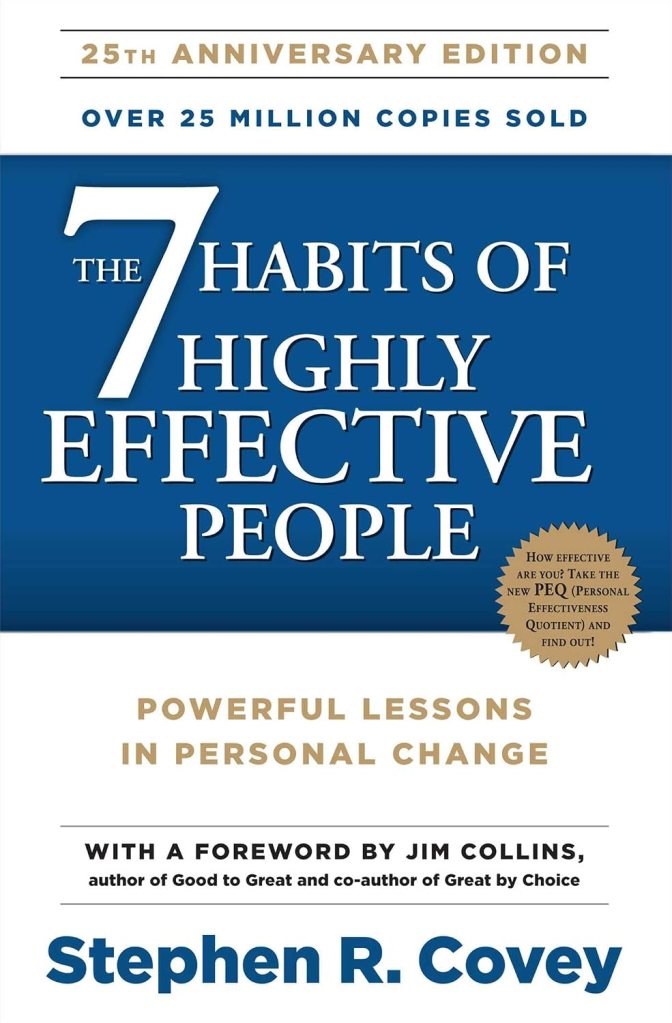
You can find the 7 Habits here if you are interested in learning more.
I’ll be diving deeper into this book over the next few months because many of these concepts were familiar enough to make sense, but disconnected enough from my life that I’ll need more time to thoroughly digest the material.
I tend to get hung up on the very first habit, “Be Proactive. Assume responsibility and focus on the things that can be influenced rather than what can’t.”
I tend to ruminate on mistakes and past experiences. That is a habit I am working very hard to overcome.
2. Dopamine Detox by Thibaut Meurisse
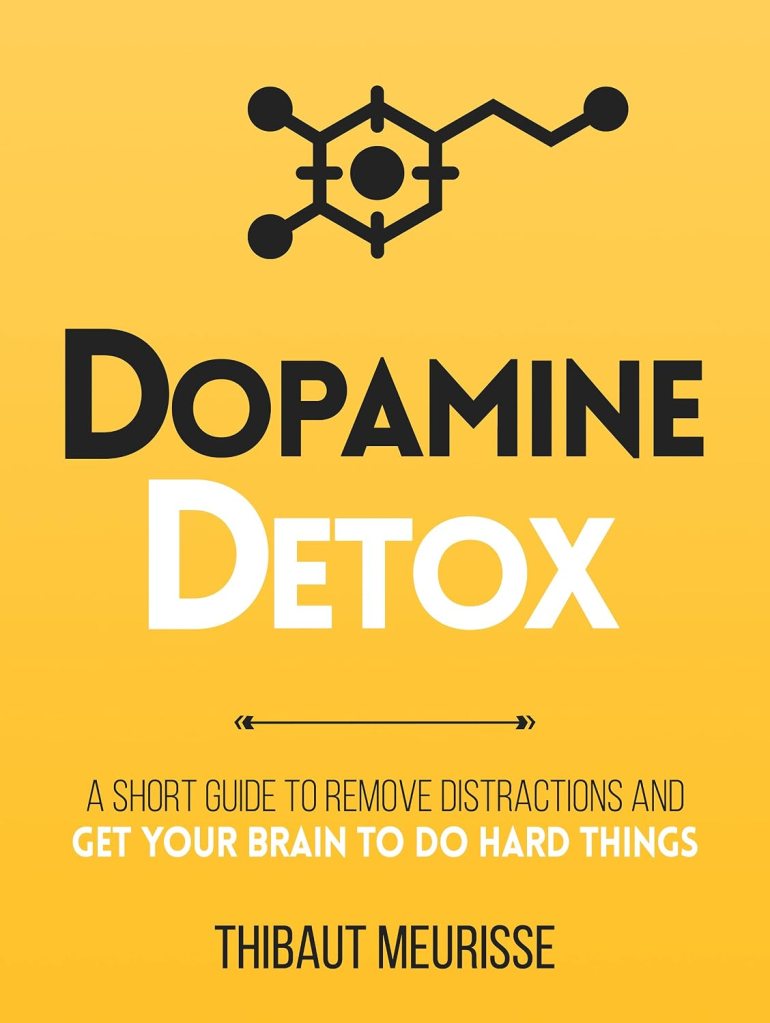
Medium published a fantastic book review by Ashish Kalita.
I found this book exceptionally interesting. I expect to be revisiting its pages often as I restructure my life. I live with a serious dopamine addiction, and it often gets in the way of my ability to perform basic daily tasks.
I’ve recently started a dopamine detox similar to what is recommended within the pages of this book, with a slight tweak.
Whenever I crave the dopamine I usually get from sites like TikTok, FetLife, or Facebook, I’m using that time instead to read industry information, study influential books (like the ones listed here 😉), create art, work on my writing projects, or connect with my writing community.
3. Why Fish Don’t Exist by Lulu Miller
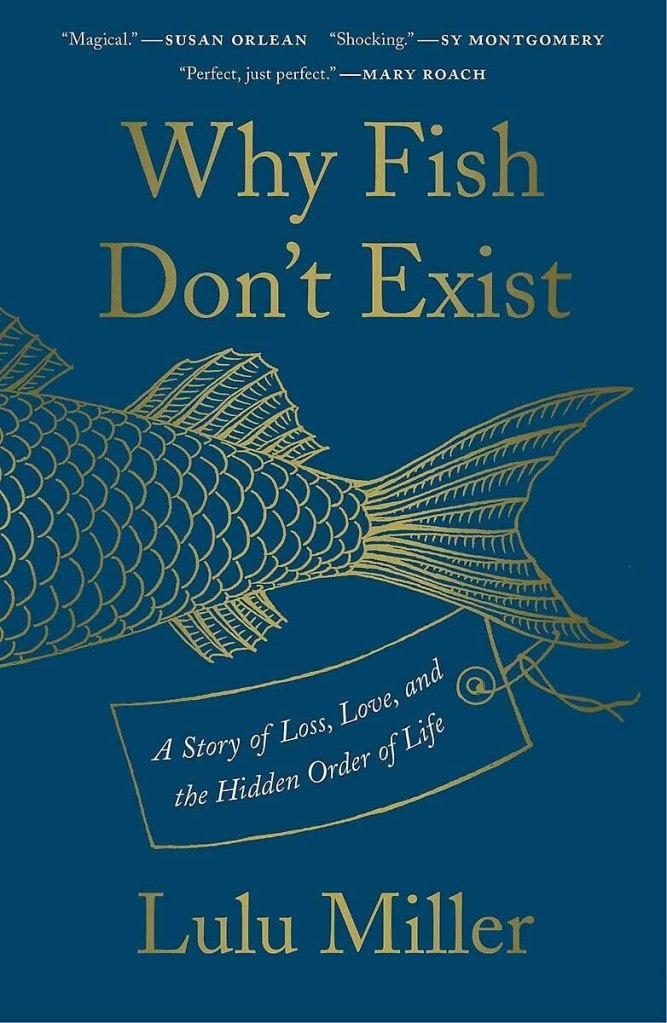
Before picking up this book, I didn’t know about the 1906 San Francisco Earthquake, and I’ll be learning more about that now.
The lesson from this book that really caught my attention is that putting everything into little boxes (categories) limits not only the potential of the thing in question, but also my own potential to understand the world around me and my place in it. As an AuDHD adult, putting things into categories helps me make sense of chaos. But perhaps, too often, I lock things away before giving them a fair assessment.
4. How to Stop Worrying and Start Living By Dale Carnegie
Once again, a targeted dive into the book has me desperate to devour the entire thing, eager for more guidance. Despite the age of the book (1944), the information is entirely transferable to modern 2026.
I found an interesting article on HuffPost that talks specifically about the Sawdust Trap.
The funny thing about the idea of sawing sawdust is that this analogy had me deep in my feels about my father. Sawdust elicits memories of a million afternoons hovering near my father as he sawed wood for whatever project he had committed himself to.
The nostalgia works wonders for forcing my brain to see the analogy in real time. A perfectly good block of wood, once put through a sawmill, will never be the same block of wood again.
You can’t change it, no matter what you do. No amount of crying will put the pieces back together in the same way.
Moving forward after things have been completely destroyed is something I am very good at. Turning off the emotions that cause hesitation and pushing toward whatever new hell awaits.
Each of these books touches on topics of motivation, determination, resiliency, and accepting what cannot be changed.
Of all of these, accepting what cannot be changed is the hardest for me to grasp. In theory, I completely understand the concept. In practice, it’s much harder.
I ruminate on things; I worry, I dwell. I rehearse conversations from 5th grade that didn’t go the way I wanted them to in the dead of the night when I should be sleeping. I replay traumatic events, seeking places where my actions should have been something different.
But it is all for naught, since the past cannot be changed.
No amount of overanalyzing, digging, or replaying will change how things have played out.
As I sit with this information, I ask myself…
What am I going to do with the knowledge that I cannot change the past, and by refusing to let it go, I am holding myself back from achieving the future I’ve spent so many years working towards?
Until Next Time,
Cathy Marie Welton


Leave a Reply